
 Fireproof
 Break-resistant
 Fire and burglary resistant
 For storing weapons
 Depositary
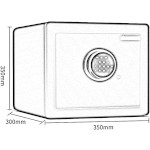 Furniture
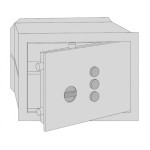 Built into the wall
 Cabinets are fire resistant
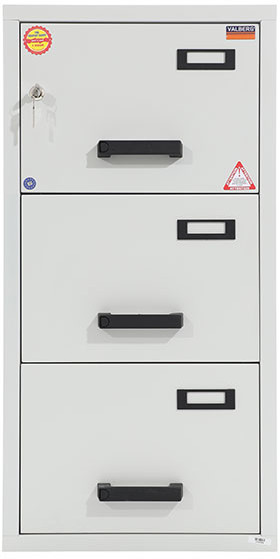 Fireproof filing cabinets
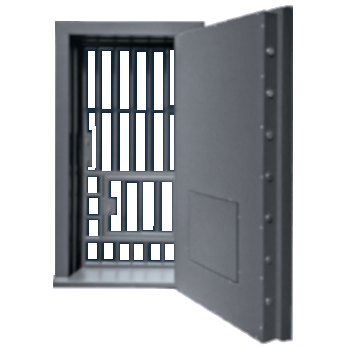 Doors of bank vaults
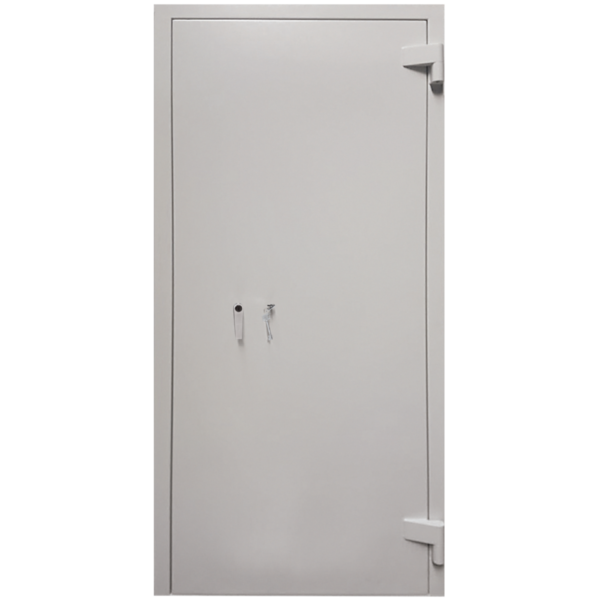 Doors for shelter, armory rooms
 Українська
Buying a safe is only half the battle. Even the strongest and most modern lock will not protect your valuables, if an intruder can simply carry the safe away along with all its contents. Furniture safes are usually lightweight, therefore, their fixation is a mandatory stage of installation.
In this article we will analyze, how to correctly and reliably fix a furniture safe, what tools will be needed for this and what mistakes should be avoided.
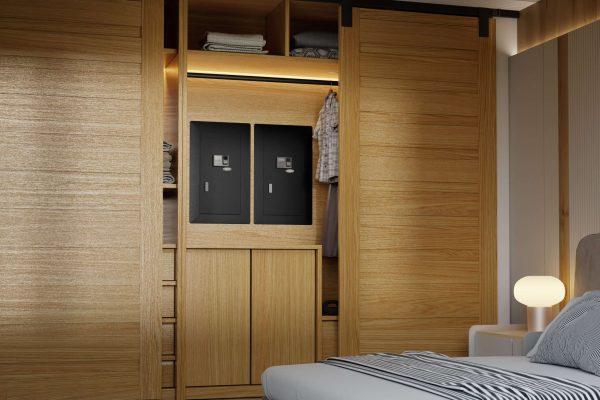
Why furniture is just a disguise?
Many believe, that if a safe is called "furniture", then it is enough to simply screw it to the shelf of the chipboard cabinet with ordinary self-tapping screws. This is the main mistake, that makes it easier for thieves. Chipboard or MDF are too soft materials. With minimal effort or the use of a crowbar, the screws will simply tear out of the soft wood structure..
Important. Furniture serves exclusively for disguise and aesthetics. The main fixation of the safe should be carried out to load-bearing structures - a concrete or brick wall, or monolithic floor.
What will be needed for installation?
Before starting work, prepare a basic set of tools:
- Perforator or powerful drill;
- Concrete drill of the required diameter;
- Anchor bolts (usually come in a set, if not, choose steel anchors with a length of 50 to 100 mm);
- Socket wrench or screwdriver;
- Pencil and building level.
Step-by-step algorithm for fastening the safe
The installation process requires precision and accuracy. Follow the following sequence of actions:
- Choosing a place. Make sure, that there is close access to the back wall of the cabinet, and there is no hidden electrical wiring or water supply pipes behind the wall.
- Marking. Put the safe in the place of the future attachment. Make pencil marks on the wall/floor through the factory holes in the back wall or bottom of the safe.
- Drilling holes. Remove the safe. Using a perforator, make holes clearly according to the markings. The depth of the hole should be slightly greater than the length of the anchor.
- Cleaning. Be sure to blow out dust and concrete crumbs from the resulting holes (this can be done with a regular vacuum cleaner).
- Installation of anchors. Put the safe back in place, align the holes and insert the anchor bolts through the safe body into the wall.
- Fixation. Tighten the bolts securely with a wrench. When the anchor sleeve is twisted, it expands in the concrete, creating an ultra-strong bond.
Useful tips for maximum security
- Combine anchoring points: if the safe design allows, fix it to both the floor, and to the back wall. This will make disassembly twice as difficult.
- Use chemical anchors: if the wall is made of loose material (example, gas block or hollow brick), an ordinary expansion anchor will not hold well. Chemical anchor (special adhesive composition) will fill voids and create a monolithic joint.
- Do not leave gaps: the safe should fit as tightly as possible to the main wall. If there is space between the safe and the wall, a thief can insert a crowbar or a pry bar, there to use them as leverage.
Remember, that correct installation increases the time, necessary for an attacker to hack, several times. And in the field of security, time is the most valuable resource.